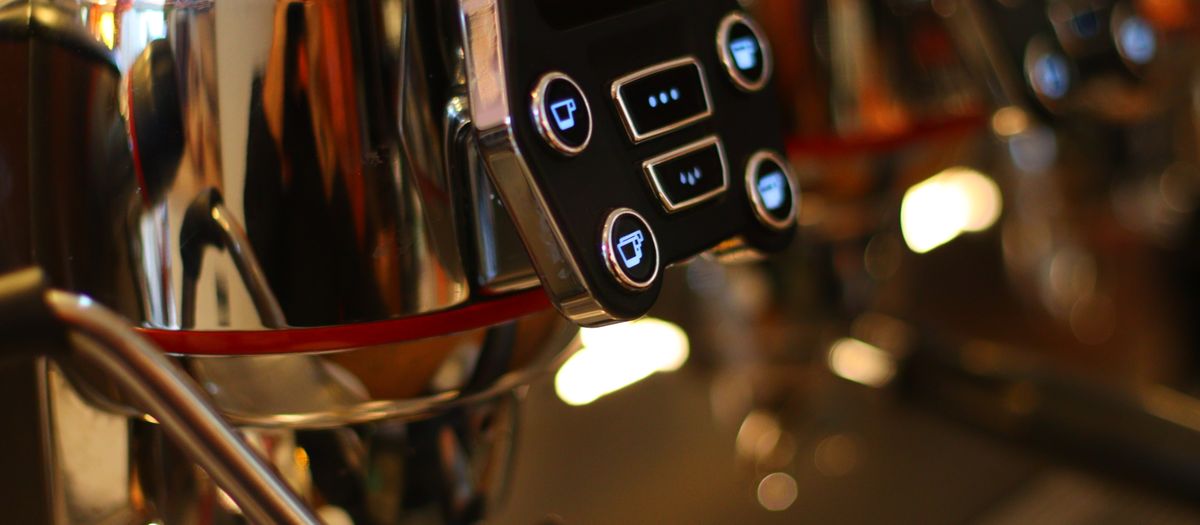
PID is one of those espresso words that gets dropped into spec sheets like it explains itself. It doesn’t. When I was buying my first real machine I nodded along at “PID temperature control” without really knowing what it bought me. Now I run a PID machine daily, so here’s the plain-English version and an honest answer to whether you need it.
What temperature is doing to your shot
Espresso is fussy about brew temperature. A few degrees too hot and the shot leans bitter and harsh; a few degrees too cool and it leans sour and flat. The same beans, ground the same, dosed the same, taste different at different brew temperatures. So holding a steady, repeatable temperature is a real lever on flavour — and, just as importantly, on consistency from one shot to the next.
The problem is that boilers don’t naturally sit at one temperature. They heat up, overshoot, cool down, kick the heating element back on, overshoot again. Left to a simple thermostat, the temperature wanders around in a sawtooth.
What PID actually does
PID is the controller that tames that wander. The letters stand for proportional, integral, derivative — which you don’t need to care about. What you need to care about is the result: instead of clunky on/off heating that overshoots and dips, a PID nudges the element intelligently to hold the boiler at a tight, stable target. Many PID machines also let you set the brew temperature to the exact degree and show it on a display.
So PID buys you two things: a steadier temperature shot to shot, and the ability to dial temperature in as a deliberate variable.
Does a home barista need it?
Here’s my honest take after living with it. PID is genuinely nice, and it’s become common enough that a lot of good machines just include it. The steadiness makes dialling in less of a moving target, and being able to set brew temperature gives you one more clean lever once you’re past the basics.
But — and this matters if you’re spending carefully — PID is not the thing standing between you and good espresso. A grinder that grinds fine and even is. I’d take a non-PID machine with a great grinder over a PID machine with a cheap grinder without a second’s hesitation. Plenty of people pulled wonderful shots for years on machines with no PID at all, by learning their machine’s rhythm. PID just removes some of that guesswork.
If it’s included on a machine that fits your budget and how you drink, great, enjoy it. If chasing PID is what’s pushing you over budget and squeezing your grinder spend, that’s the budget split going wrong again.
When you’re comparing machines and trying to work out which features are worth paying for, I sorted the genuinely-useful from the nice-to-have in the best home espresso machines guide.
This is general home-barista experience and how PID works, not a measured test of any specific machine. Follow your machine’s instructions and dial in to taste.