Espresso Grinders
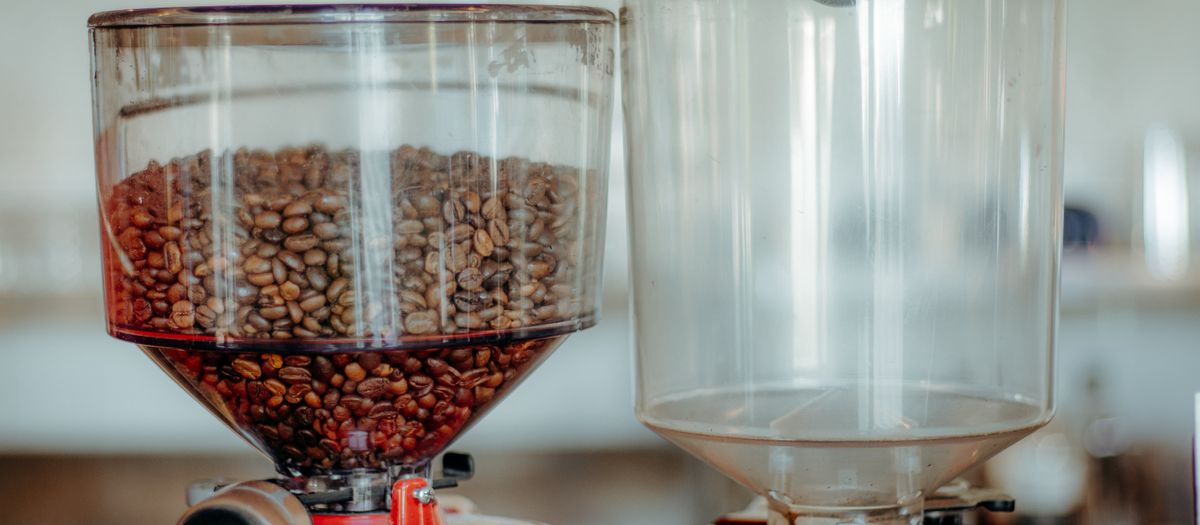
The grinder is the most under-rated buy in a first setup — it matters as much as the machine, because espresso lives or dies on a fine, consistent, adjustable grind. This silo compares burr type and size, stepless vs stepped adjustment, single-dose vs hopper and retention, then explains why a great machine fed by a poor grinder still pulls sour, channelling shots. These are espresso grinders only — fine and stepless, single-dose for espresso. Specs are verified against manufacturer and current Amazon listings; no hands-on testing is claimed.
If you've come straight here, do read the beginner's guide first — the machine-vs-grinder budget split is the single most important decision you'll make, and it's the reason this silo exists. Short version: fund the grinder properly, even if it means a more modest machine. A capable machine with a great grinder beats an expensive machine with a poor one every time.
Why the grinder matters as much as the machine
The reason is mechanical, not snobbery. Espresso forces water through a tightly packed bed of coffee at around nine bar of pressure in roughly 25 to 30 seconds. For that to extract evenly, every particle needs to be close to the same size, and that size has to be both very fine and very finely adjustable. A grinder built for drip — or worse, a blade gadget — produces a wide spread of particle sizes: some dust, some boulders. Water then does what water always does, racing through the gaps around the big bits (that's channelling) while over-extracting the dust, so the cup comes out sour and harsh at the same time. No machine, however expensive, can fix coffee that was ground unevenly. That's why a great machine fed by a poor grinder still pulls bad shots.
Burr type and size: flat vs conical
Espresso grinders use burrs — two cutting rings that shear beans to a precise size — not blades. There are two common shapes. Conical burrs are a cone sitting inside a ring; they're efficient, run a little cooler and are common across a wide price range. Flat burrs are two parallel rings; many baristas associate larger flat burrs with a particularly even, clarity-forward grind. In honest terms, both shapes make excellent espresso — burr quality and size matter far more than the shape debate. Larger burrs grind faster and tend to run cooler, which is nice to have but not something a first-time buyer needs to obsess over.
Stepless vs stepped adjustment
Adjustability is where espresso grinders earn their keep, because espresso is sensitive to tiny grind changes. A stepped grinder moves in fixed clicks; a stepless grinder moves continuously, letting you land between clicks for fine micro-adjustments. For espresso, stepless (or very fine stepping) is genuinely useful — the difference between a sour shot and a sweet one can be a hair of grind size. A grinder that can't adjust finely enough for espresso, no matter how it's marketed, isn't an espresso grinder.
Single-dose vs hopper, and retention
A hopper grinder stores a pile of beans on top and grinds from that reservoir. A single-dose grinder grinds only the beans you weigh in for one shot, with little or no hopper. Single-dosing keeps beans fresher, makes switching between coffees trivial and, for a lot of home baristas (me included), is simply the nicer daily ritual. The related spec is retention — how much ground coffee gets stuck inside the grinder between doses. Low retention means what you weigh in is close to what comes out, and you're not pulling yesterday's stale grounds into today's shot. Low-retention single-dosing is why my own setup transformed once I made the switch.
How much to spend, and what you're paying for
Grinder prices climb for a few concrete reasons, and it helps to know which ones matter to you. Cheaper espresso-capable grinders give you the fine, adjustable grind you need but may run slower, retain more grounds, and have coarser adjustment that takes patience to dial. Mid-range grinders add larger or better burrs, finer (often stepless) adjustment and lower retention — the things that make daily dialing-in quick and forgiving. Past that, you're mostly paying for burr size, build quality, quieter operation and refinement rather than a fundamentally better shot. For a first setup, aim for the cheapest grinder that genuinely grinds fine enough and adjusts finely enough for espresso, then put any spare money toward burr quality rather than chrome. That's the sweet spot the best espresso grinders guide targets.
One more practical point: a quiet grinder is a real quality-of-life upgrade if you pull shots early while the house sleeps, and a low-retention single-doser means your first shot of the day tastes of today's beans, not yesterday's. Neither changes the physics of extraction, but both change whether you actually enjoy the ritual — and a setup you enjoy is a setup you keep using.
Where the grinder fits in the chain
A great grind is only half of even puck prep — the other half is the workflow that follows it. Once the grinder is sorted, the tamper, distributor and WDT tool in the accessories and workflow silo finish the puck-prep chain that turns a good grind into a consistently good shot. When you're ready to choose a grinder, the best espresso grinders guide compares the options on the specs above.
A note on scope: the grinders here are espresso grinders only — fine, finely adjustable, built for the shot. If you also brew by hand, a grinder dialled for coarser, slower extraction is a different tool, and our sibling site Pour & Grind covers grinders for manual brewing over there. This silo stays squarely on espresso.
Featured guides
The current published guides in this silo. More land each batch.
Landing next: Entry-level espresso grinder, Best single-dose grinder, Quiet espresso grinder, and Stepless vs stepped grinders.
Frequently asked questions
Does the grinder really matter as much as the espresso machine?
Yes — for espresso, the grinder matters at least as much as the machine. Espresso needs a fine, consistent, adjustable grind, and a cheap grinder cannot deliver that. A great machine fed by a poor grinder still pulls sour, channelling shots. Split the budget so the grinder is not an afterthought.
What is a single-dose espresso grinder?
A single-dose grinder grinds only the beans you weigh in for one shot, with little or no hopper and very low retention. It keeps beans fresher and makes switching coffees easy, which is why many home baristas prefer single-dosing for espresso.